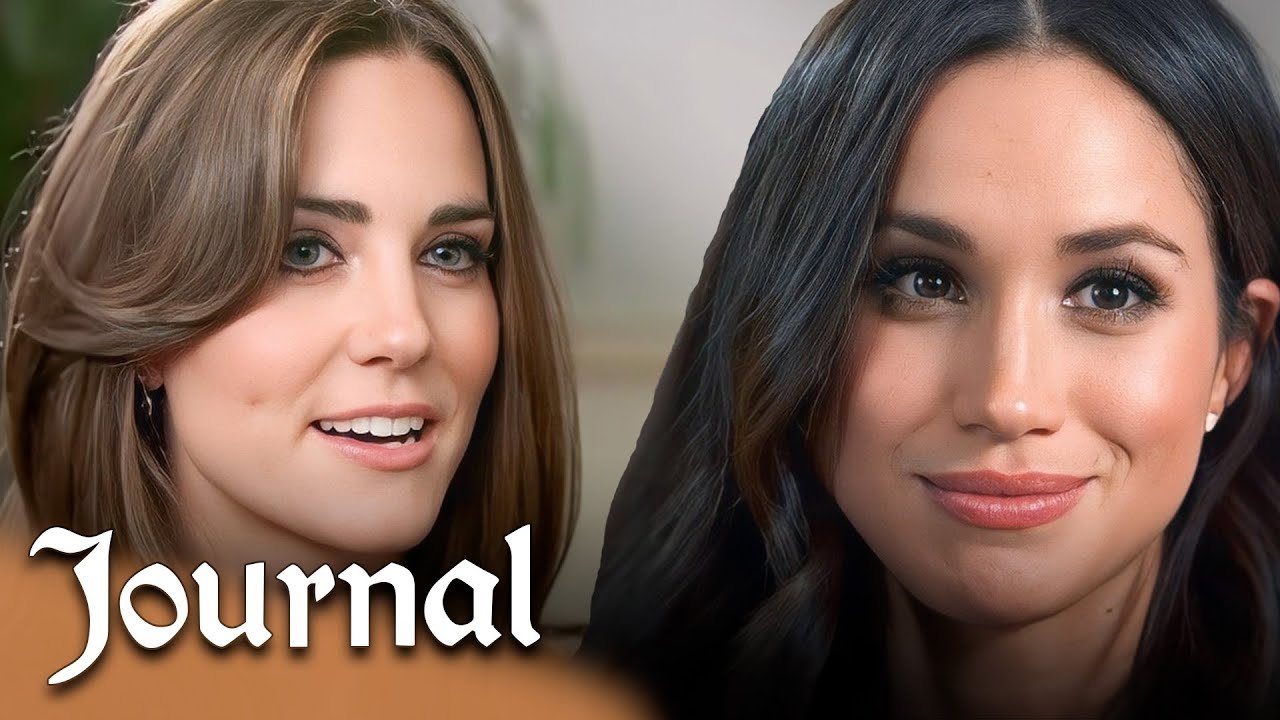
Kate Middleton’s journey from a middle-class upbringing in Bucklebury to becoming the Duchess of Cambridge marked a transformative entry into the British monarchy. Despite intense media pressure and strict royal protocols, the Middletons quickly adapted, maintaining a discreet and supportive presence within the royal orbit, quietly reinforcing the traditionalist Windsor sphere.
Michael and Carol Middleton, Kate’s parents, balanced the glare of the spotlight while preserving their family’s close-knit nature. Their private party supplies business, Party Pieces, faced unwarranted scrutiny, but the couple’s resilience helped them navigate the immense pressures accompanying their daughter’s royal ascent. Their grounded approach earned respect within royal and public circles alike.
Meghan’s family saga exacerbated tensions, especially with the public fallout surrounding her father Thomas Markle and half-siblings. Their consistent media engagements contrasted the royal family’s “never complain, never explain” doctrine, intensifying the divide and putting Meghan under relentless scrutiny that tested both her resolve and loyalty to royal tradition.
The marriage of Prince Harry and Meghan Markle initially symbolized a modernizing monarchy, blending Hollywood glamour with ancient tradition. Yet, persistent press hostility, internal disagreements, and clashes over roles within the Royal Family escalated conflicts, culminating in the couple’s unprecedented decision to step back from royal duties and seek financial independence abroad.
Relocating to North America, Harry and Meghan embraced a distinctly different lifestyle from the Windsors, deepening familial estrangement. Their lucrative media deals and candid revelations about palace life further strained relations, highlighting divergent visions of identity and duty within the monarchy and underscoring an ongoing struggle to reconcile personal freedom with royal expectations.
Meanwhile, Kate Middleton and her family continue to consolidate their influence within the monarchy, emphasizing stability and tradition. Their background-related challenges remain overshadowed by their ability to adapt gracefully. The Middletons’ rising prominence signals a slow but steady evolution in royal life anchored in discretion and support for the future reign of Prince George.
The royal rift between these two families not only reflects conflicting personal narratives but also represents a broader clash between modernizing impulses and age-old royal protocols. With the monarchy under intense global scrutiny, how these internal divisions resolve—if at all—will shape public confidence and the institution’s relevance for years to come.
As Prince George, Charlotte, and Louis prepare for their royal futures, custodianship of tradition vs. change hangs in the balance. The Middletons’ influence suggests incremental modernization, while the Sussexes’ departure symbolizes rupture. This duality fuels speculation over the monarchy’s trajectory amid shifting societal values and relentless media exposure.
In sum, the showdown between the Middletons and the Markles exposes fault lines beneath the monarchy’s polished surface, spotlighting challenges faced by outsiders marrying into royal heritage. The unfolding saga demands urgent attention as competing loyalties, generational expectations, and unprecedented media intrusion threaten to recalibrate or destabilize the House of Windsor irrevocably.
This breaking chapter underscores the complex, often painful negotiations required by those entering the royal family. It reveals how private dynamics under public gaze can quickly evolve into defining crises, forcing adaptation or estrangement, and inviting examination of how the monarchy balances heritage with modern pressures in an unforgiving global spotlight.