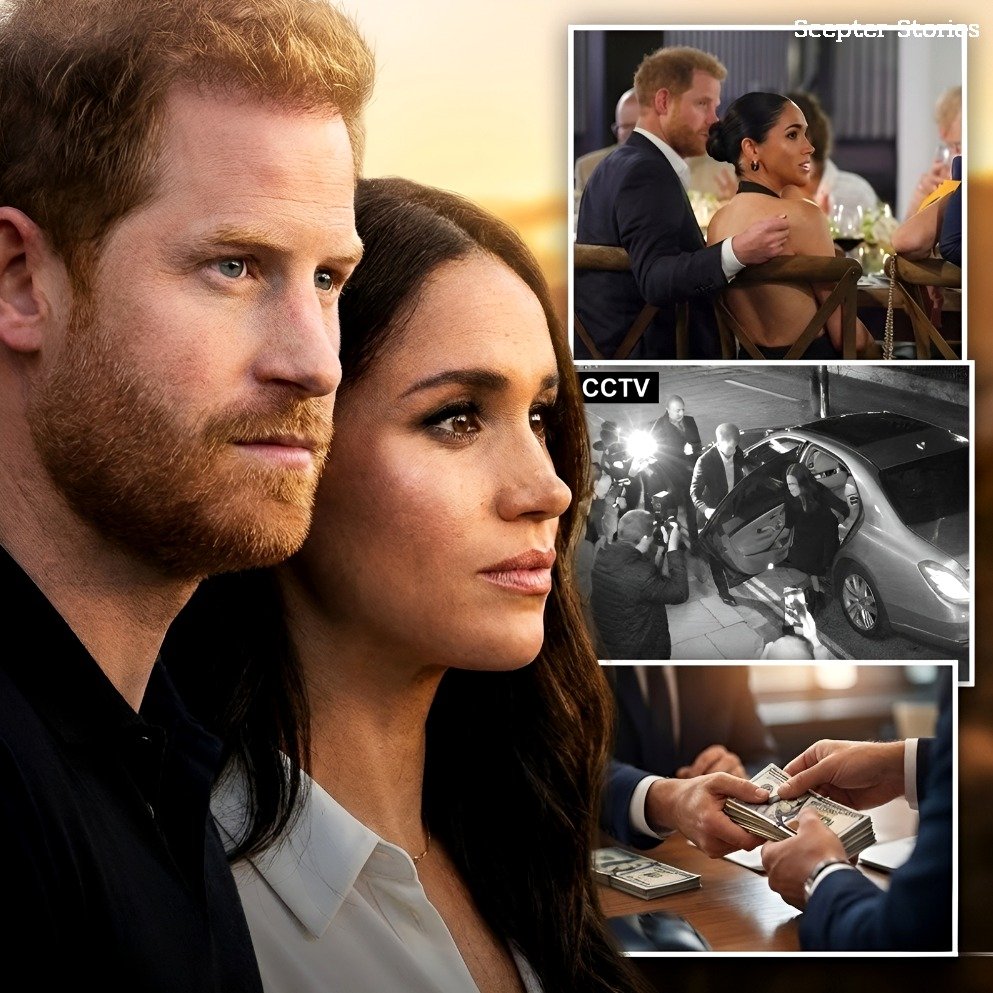
It sounds like satire. Or a punchline ripped from a late-night monologue. Yet it’s real — and it’s igniting fresh controversy around Prince Harry and Meghan Markle.
For a reported price of $100,000 per plate, select guests are being offered something far more exclusive than merchandise, a streaming series, or a wellness brand launch. Instead, they are promised access — a private dinner with the Duke and Duchess of Sussex themselves. No stage. No microphones. Just proximity.
And that is precisely why critics say this moment feels different.
In Hollywood, celebrity monetization is nothing new. Stars sell books, documentaries, fragrances, even their personal struggles. But selling physical presence — sitting across a dinner table, sharing conversation, intimacy, and status — has sparked accusations that the Sussexes have entered a new, more uncomfortable phase of brand-building.
Supporters argue it’s philanthropy in a tailored suit. According to reports, the dinners are linked to high-end fundraising efforts, with proceeds channeled toward charitable causes aligned with the couple’s interests. In elite donor circles, six-figure plates are not unheard of. Presidents, tech moguls, and cultural icons have long used private dinners as fundraising tools.
So why the outrage now?
Because Harry and Meghan are not being sold as hosts — they are the product.
This is not about an organization or a mission leading the event. The headline draw is clear: dinner with them. Their story. Their presence. Their proximity to royalty — former, complicated, and endlessly fascinating. Critics argue that the couple, who once spoke passionately about escaping the pressures of royal commodification, are now monetizing the very thing they claimed to reject.
To some observers, it represents the final evolution of the Sussex brand: from royal rebels to content creators, and now to luxury experiences.
Social media has been ruthless. Comments range from disbelief to mockery, with users joking that the menu should include “humility for dessert” or asking whether royal grievances are served between courses. Others see it as proof that the couple’s post-royal life has drifted far from the values they once championed.
Yet there is another interpretation.
In a celebrity economy driven by exclusivity, access is the most valuable currency of all. Anyone can stream an interview. Anyone can buy a memoir. But very few can say they shared a meal with Prince Harry and Meghan Markle — heard their unfiltered thoughts, felt their charisma in the room, or walked away with a story no one else can tell.
That, insiders say, is what the $100,000 buys.
It also underscores a deeper truth about modern fame: privacy is no longer the opposite of publicity — it’s its most expensive form. By limiting access to a tiny, wealthy audience, the Sussexes increase the perceived value of their presence, while maintaining control over the narrative.