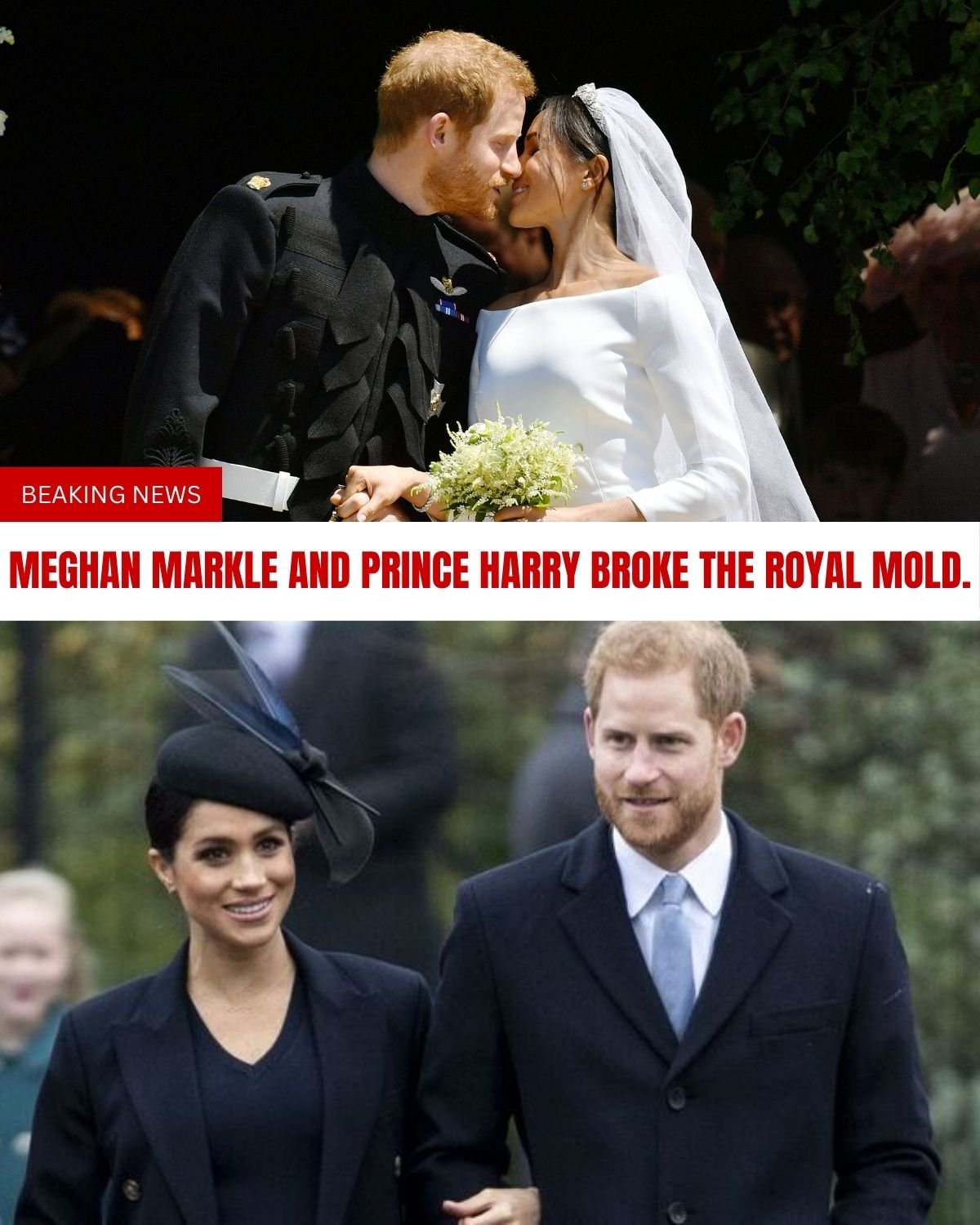
“No regrets.”
It’s a phrase Meghan and Harry have repeated often in the five years since they stepped back from royal life. The words are firm, confident, final. And yet, for a decision said to be rooted in freedom and peace, the conversation surrounding it has never truly ended.
Instead, it keeps evolving.
A Departure Meant to Close a Chapter
When the Duke and Duchess of Sussex announced their exit from royal duties, the message was clear: they wanted control, privacy, and the chance to shape their own lives beyond the constraints of the institution. The move was framed as liberation—an escape from pressure, expectation, and a system that no longer fit.
At the time, many believed that once the decision was made, the story would naturally quiet down.
It didn’t.
The Interviews That Kept Coming
In the years that followed, Meghan and Harry spoke—often and at length. Televised interviews, documentaries, podcasts, books. Each appearance promised clarity, truth, or closure. Yet rather than settling the narrative, these moments often reopened it.
Details shifted. Emphases changed. New grievances emerged while old ones were reframed. Supporters saw bravery and honesty. Critics saw contradiction and repetition.
The louder the declarations of “no regrets,” the more some began to wonder why the past was still being revisited at all.
When Freedom Still Sounds Like Conflict
Freedom, in its purest sense, suggests distance. Space. The ability to move on without constantly looking back. But five years on, the Sussex story still circles the same themes: betrayal, misunderstanding, and unresolved hurt.
That tension has sparked a growing question in the public mind: if leaving truly brought peace, why does it still sound like a fight?
Some argue that speaking out is part of healing—that silence would feel like erasure. Others counter that repeatedly returning to the same wounds suggests they were never allowed to close.
Rewriting or Reprocessing?
Another point of contention lies in how the story itself has evolved. Events described one way in earlier interviews sometimes appear differently later on. Critics call it revisionism. Supporters call it growth and reflection.
Memory, after all, is not static.
But in the public arena, shifting narratives invite scrutiny. Each retelling is weighed against the last, and credibility becomes part of the conversation—fairly or not.
The Cost of Staying in the Spotlight
Ironically, the couple’s desire for autonomy has kept them firmly in the public eye. Every statement is analyzed. Every silence interpreted. The space they sought has been replaced by a different kind of exposure—one driven not by royal protocol, but by media momentum.
Walking away from the monarchy did not end the story. It simply moved it to a different stage.
Five Years On, the Questions Remain
Do Meghan and Harry truly have no regrets—or is the need to explain proof that something still aches? Is speaking out a form of empowerment, or a sign that closure never fully arrived?
There are no simple answers. Only perspectives, shaped by belief, loyalty, and expectation.
What is clear is this: five years later, the decision that was meant to mark an ending continues to define a beginning—one still unfolding, still debated, and still raising new questions with every retelling.
And perhaps that, more than any interview or declaration, is the real legacy of walking away.