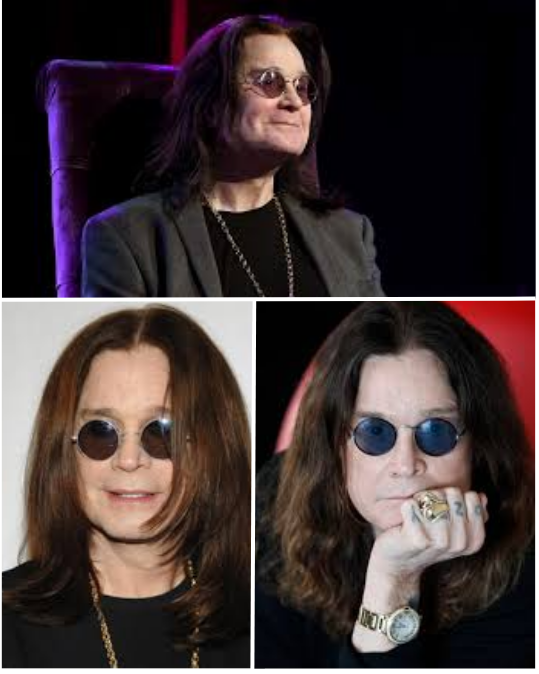
From the very beginning, Ozzy Osbourne defied every rule about how long a rock star should survive—let alone matter.
He came from a working-class neighborhood in Birmingham with little more than a voice, an instinct for chaos, and a hunger to be heard. Critics once dismissed him as reckless. Industry insiders called him unstable. Doctors warned him repeatedly. And yet, decade after decade, Ozzy kept going—against logic, expectation, and sometimes even his own body.
What many forget is that Ozzy’s legacy wasn’t built on invincibility. It was built on endurance.
Behind the wild headlines and infamous stories was a man who kept showing up. Sometimes fragile. Sometimes furious. Often unsure. But always honest in the only language he trusted: music. His songs weren’t polished manifestos—they were confessions. Fear, guilt, survival, faith, madness. He sang the things people didn’t know how to say out loud.
As the years passed and his health challenges became public, the conversation around Ozzy shifted. The shock gave way to something quieter: respect. Fans watched him confront Parkinson’s disease not with denial, but with stubborn honesty. He admitted fear. He admitted limits. And still, he refused to let silence win.
Even when touring became impossible, Ozzy remained present. He recorded. He collaborated. He spoke candidly about the frustration of wanting to perform while knowing his body could no longer keep pace with his spirit. “My voice is fine,” he once said. “It’s my body that won’t cooperate.” That sentence alone captured a lifetime of conflict between will and reality.
What made Ozzy different wasn’t just his sound—it was his refusal to pretend. He never rebranded himself as something safer. He didn’t soften the edges to fit the moment. If anything, he grew more transparent with age, allowing fans to see not just the icon, but the man who carried the weight of that icon every day.
In recent years, younger artists began citing Ozzy not just as an influence, but as a blueprint. Not for excess—but for honesty. For survival. For staying creatively alive even when everything else falls away. He became less a symbol of rebellion and more a symbol of persistence.
Ozzy Osbourne wasn’t perfect. He never claimed to be. And perhaps that’s why his music still resonates so deeply. It wasn’t built to impress—it was built to endure.
Long after the lights fade and the noise settles, what remains is not the shock value, but the truth he left behind in sound. A reminder that longevity isn’t about staying untouched—it’s about staying real.
And that may be Ozzy’s greatest legacy of all.