Nearly two decades after his breakout moment on American Idol, Chris Daughtry has once again made headlines — this time not for a chart-topping single, but for his place among the wealthiest alumni in the show’s history. In the newly released 2026 list of the 20 richest former American Idol contestants worldwide, Daughtry stands out with an impressively high estimated net worth, reaffirming the remarkable longevity of his career.
For many fans, Daughtry’s success story feels both surprising and inevitable.
He first appeared on American Idol in 2006 during the show’s fifth season. With his gritty rock vocals and emotional delivery, he quickly became a fan favorite. Although he did not win the competition — finishing in fourth place — his elimination is still remembered as one of the most shocking moments in the show’s history. Yet, in hindsight, that twist may have been the best thing that could have happened to his career.
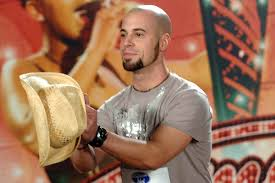
Unlike many reality competition winners who struggle to sustain long-term momentum, Daughtry carved out his own lane almost immediately after the show. He formed the rock band Daughtry later that same year, and their self-titled debut album became one of the fastest-selling rock debuts of the 2000s. The album produced multiple hit singles, including “It’s Not Over,” “Home,” and “Over You,” and went multi-platinum, establishing him as a formidable presence in mainstream rock.


What sets Chris Daughtry apart from many other American Idol alumni is not just early success, but endurance.
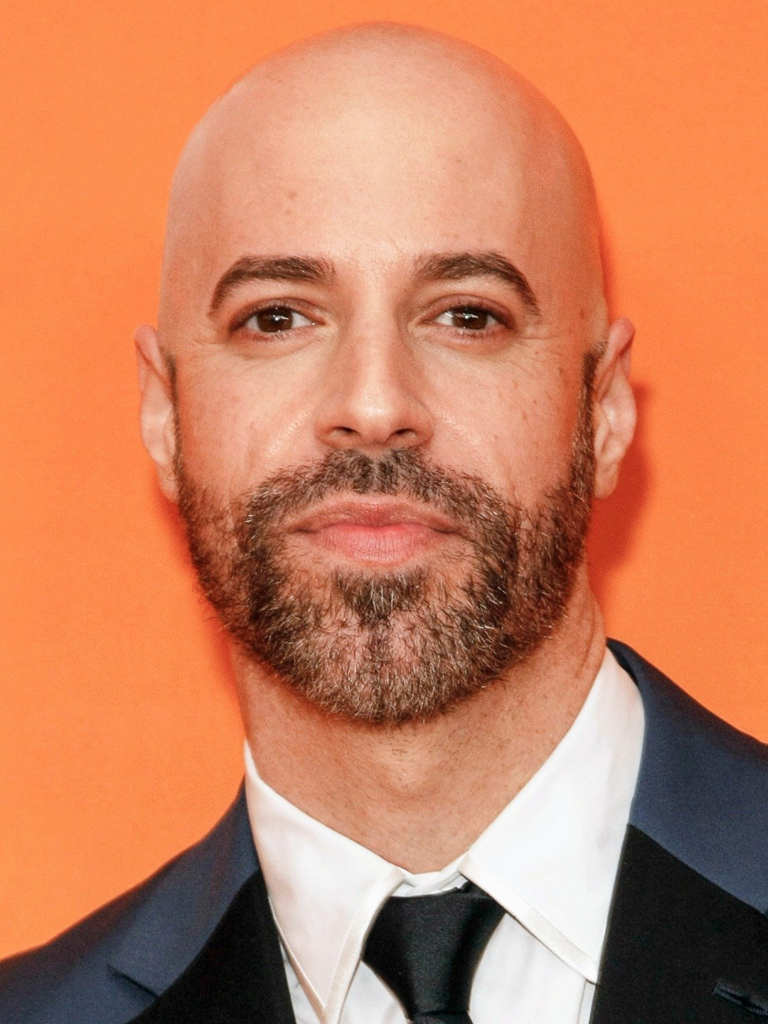
While some contestants enjoyed brief spikes of fame before fading from public view, Daughtry consistently released albums, toured internationally, and evolved his sound without abandoning the core identity that first attracted fans. His ability to balance commercial appeal with authentic rock credibility helped him maintain a loyal audience long after the initial wave of Idol publicity faded.
Over the years, his band released several more albums that charted strongly, and their live performances remained a major draw. Touring, in particular, became a crucial pillar of his financial success. Large-scale tours across North America and internationally brought in substantial revenue, contributing significantly to his growing net worth.

Beyond music sales and touring, Daughtry expanded his income streams strategically. He ventured into songwriting for other artists, collaborated across genres, and even explored acting and television appearances. His distinct voice made him a sought-after collaborator, while his established brand allowed him to navigate industry changes, including the rise of streaming platforms.
In addition, licensing deals and royalties from earlier hits have continued to generate steady income. Songs like “Home” have maintained cultural relevance through placements in television shows, sports broadcasts, and other media. These residual revenue streams play an important role in long-term wealth accumulation for artists with enduring catalogs.
Being ranked among the 20 richest former American Idol contestants in 2026 is more than just a financial milestone — it is a testament to sustainability. The list includes global superstars and chart-dominating winners, yet Daughtry’s name appears prominently among them despite not holding the title of Idol champion.
This distinction highlights an important reality about the music industry: winning a televised competition does not guarantee long-term success. In fact, many of the wealthiest alumni have built their fortunes through consistent work, branding, and adaptability rather than a single defining victory.