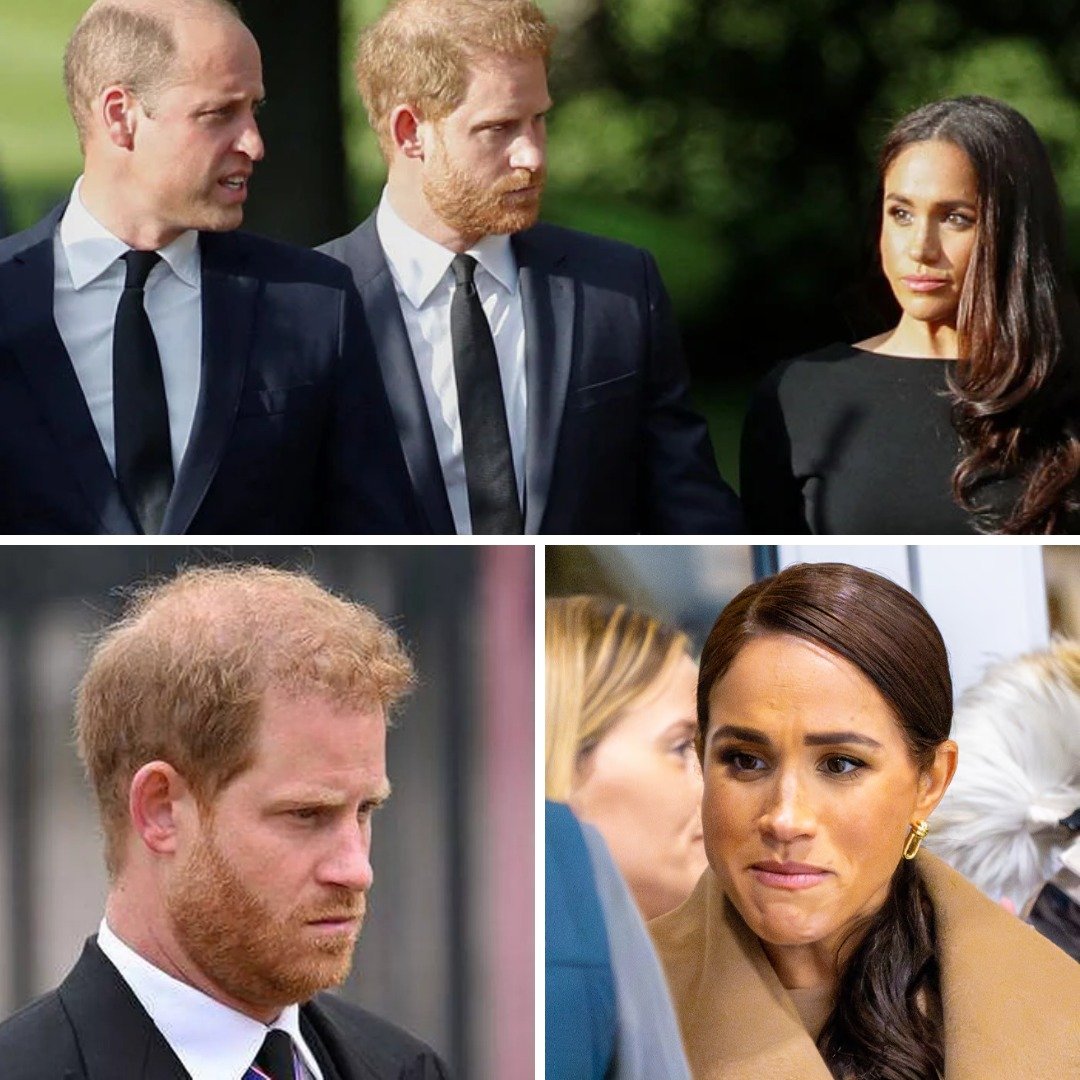
Behind the scenes, fresh reports suggest that Prince Harry and Meghan Markle are making renewed efforts to reopen communication with the Royal Family. According to insiders, the urgency surrounding these attempts has intensified, giving the impression that time is no longer on the Sussexes’ side.
Sources describe the outreach as hurried and emotionally complex. Rather than a clearly defined reconciliation framework, the approach is said to blend regret, strategic calculation, and unresolved resentment. One observer close to palace circles remarked that “it feels less like a plan and more like a scramble,” reflecting a growing belief that the Sussexes may be reacting to circumstances rather than shaping them.
A major factor looming over everything is the health of King Charles III. While official statements remain limited, the King’s condition has inevitably sharpened conversations about legacy, timing, and final opportunities. Several commentators suggest that this reality has injected a sense of panic into the Sussexes’ thinking, transforming what might once have been a slow, deliberate reconciliation into a rushed bid for closure.
Public reaction has been divided. Some readers express sympathy, arguing that family rifts often soften when confronted with mortality. “If not now, then when?” one commenter asked. From this perspective, any attempt at peace is preferable to permanent estrangement. Others are far more skeptical, seeing the timing as self-serving rather than sincere.
Critics point out that previous reconciliation efforts collapsed under the weight of mixed messages. Interviews, documentaries, and published grievances repeatedly undermined trust, making palace officials wary of renewed dialogue. A former royal aide noted that “you can’t reopen a door while still throwing stones through the window,” capturing the frustration felt by many within the institution.
Insiders also question the endgame. What exactly do Harry and Meghan want from these talks? A public rapprochement? Private forgiveness? Or a recalibration of their relationship with the monarchy that restores access, legitimacy, or influence? According to one analyst, the absence of a clear objective is precisely why the plan appears doomed. “Reconciliation without boundaries is just chaos,” they said.
The Palace, meanwhile, is said to be proceeding with extreme caution. There is little appetite for drama, particularly at a time when stability and continuity are paramount. Observers note that senior royals are focused on long-term institutional health rather than emotional repair. One reader summarized this sentiment bluntly: “The monarchy thinks in decades. Panic thinks in weeks.”
This dynamic has only deepened doubts about the Sussexes’ strategy. Since stepping away from royal duties, Harry and Meghan have built their public identity around independence and candor. While that approach initially attracted attention, it also burned bridges. Now, critics argue, the couple face the consequences of having monetized conflict without preserving a path back.
Supporters counter that growth includes revisiting old mistakes. They argue that recognizing the need for dialogue, however late, reflects maturity rather than desperation. Yet even sympathetic voices concede that trust is fragile. “You don’t rebuild years of damage with one conversation,” a royal commentator wrote.
What makes the moment particularly fraught is the sense that opportunities are narrowing. With the Royal Family visibly moving forward, roles clarified and priorities reset, there is little indication that Harry and Meghan remain central to the institution’s future. Any reconciliation, insiders suggest, would likely be personal rather than structural.
As speculation continues, the silence from Buckingham Palace speaks volumes. No public endorsement of talks has been offered, nor any signal that outcomes will change. That silence has led many to believe that, even if conversations occur, expectations will be tightly managed.
Ultimately, the question haunting this episode is a brutal one: is this a genuine attempt at healing, or a reaction born of fear that the window is closing forever? For now, answers remain elusive. What is clear is that the stakes feel higher than ever — and that confusion, rather than clarity, defines the current moment.
As one outside observer concluded, “Peace made too late often looks like panic. And panic rarely convinces those who were already hurt.”