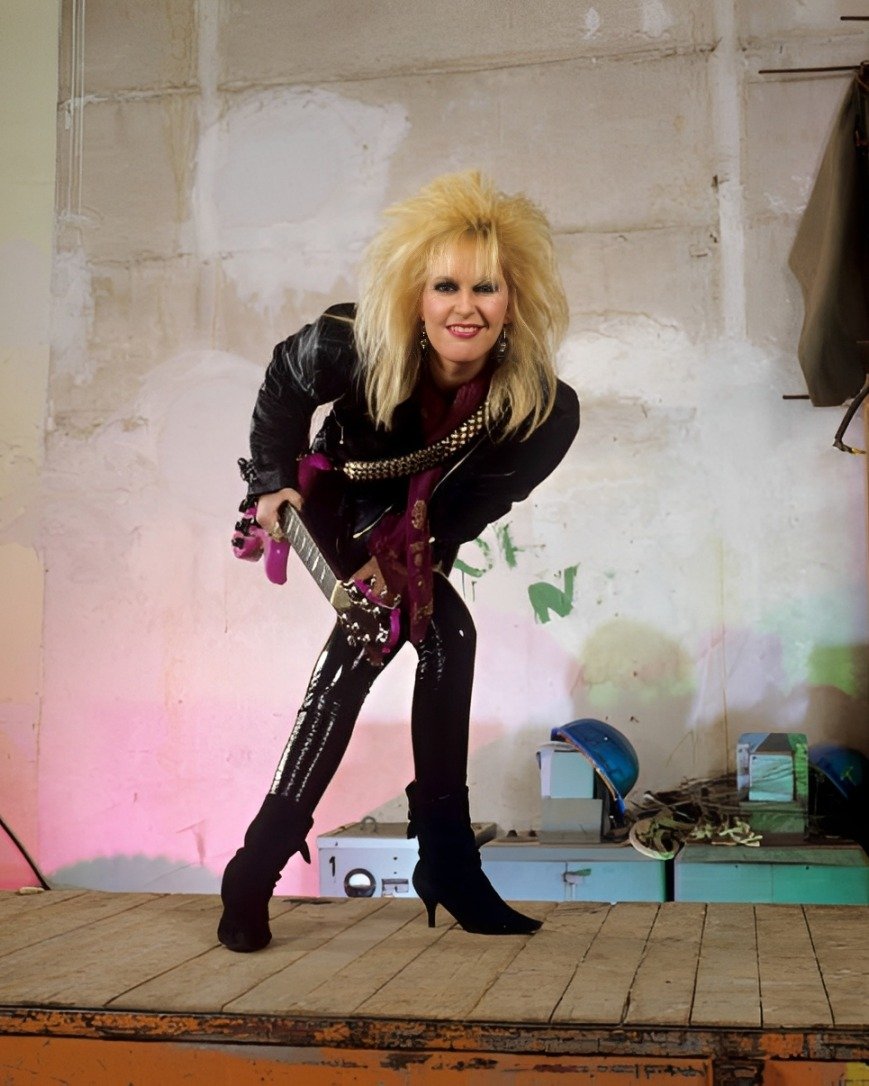
On 04 May 1984, Munich witnessed something electric. Long before nostalgia playlists and retro revival tours, Lita Ford stepped on stage and delivered exactly what rock music was meant to be at the time — raw power, fearless attitude, and riffs that cut straight through the room.
This was the golden age of ’80s rock and metal. Hair was big, amps were louder, and image mattered — but talent mattered more. And Lita Ford had both.
A guitarist who refused to play small
By 1984, Lita Ford was already known for breaking barriers. As a former member of The Runaways, she had proven she could stand shoulder to shoulder with anyone in a genre dominated by men. Her solo career pushed that even further — heavier tones, sharper solos, and a stage presence that demanded attention without asking for permission.
In Munich, she didn’t soften the edges. The performance was confident, aggressive, and unmistakably rock ’n’ roll.
The sound of an era
This wasn’t polished arena rock yet — it was hungry, loud, and immediate. Crunchy riffs, screaming leads, and that unmistakable ’80s guitar tone filled the venue. Every note carried attitude. Every solo felt like a statement.
You can see it in the footage and photos from that night: no hesitation, no restraint. Just commitment to the sound and the moment.
Munich meets American rock power
European audiences in the early ’80s had a deep appreciation for authenticity, and Munich was no exception. The crowd didn’t just watch — they absorbed it. Lita’s performance bridged American hard rock with European metal sensibilities, making the night feel international, explosive, and timeless.
Why this moment still matters
Today, clips and images from shows like this resonate because they remind us of a time when rock wasn’t curated for algorithms. It was lived, loud, and sometimes dangerous. Lita Ford’s Munich performance stands as proof that women weren’t just part of rock history — they were shaping it.
This wasn’t nostalgia.
This was history in motion.