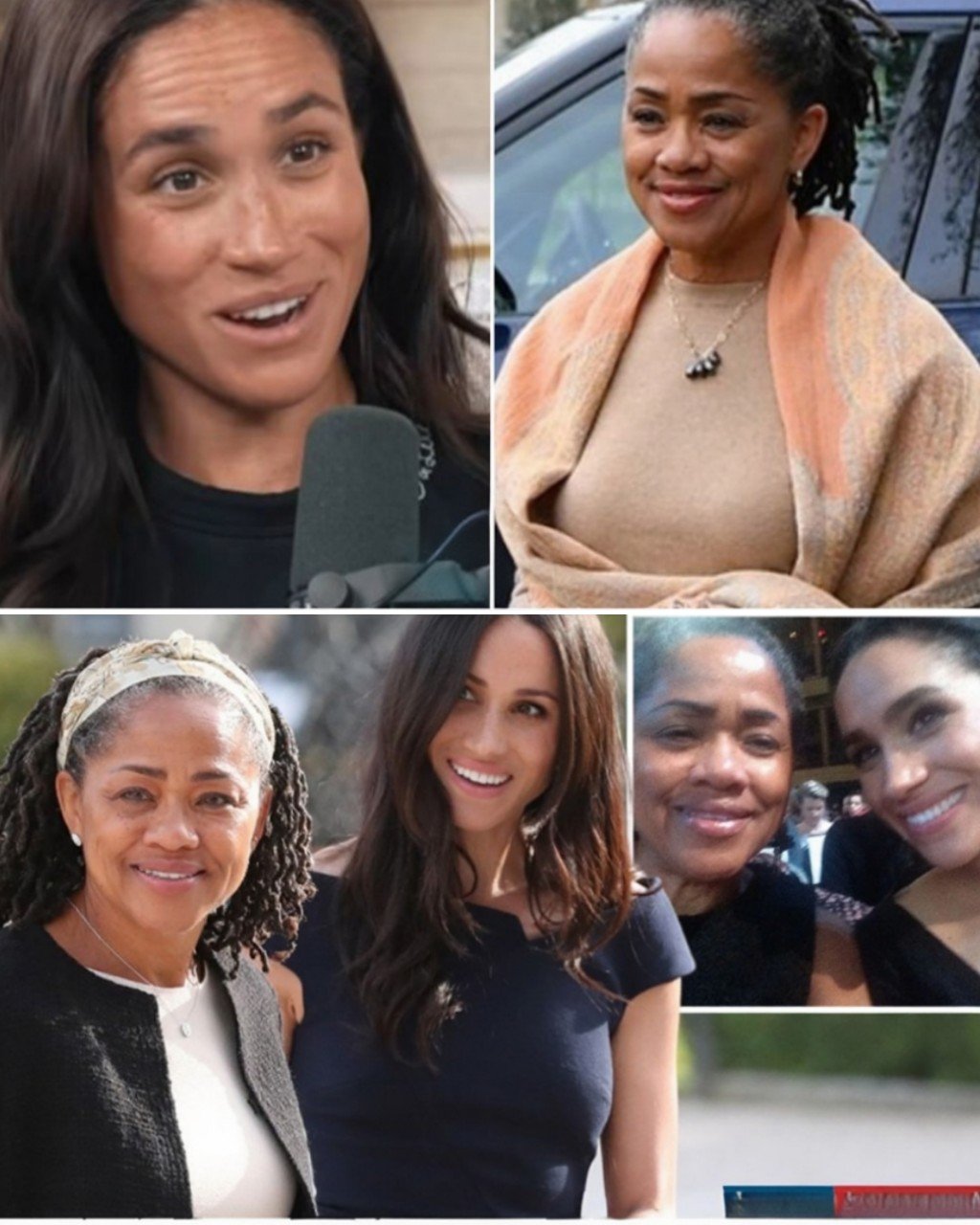
In recent weeks, renewed discussion around Meghan Markle, her relationship with the British monarchy, and the rules governing royal titles has once again captured public attention. At the centre of the conversation is a claim circulating in tabloids and online commentary: that Meghan allegedly believed her mother, Doria Ragland, deserved a royal title.
While the story has been framed dramatically across social media, it’s important to separate what is confirmed, what is commentary, and what remains unverified speculation.
What the rumours claim
According to unnamed royal commentators and tabloid reporting, Meghan was said to have expressed frustration that her mother, who supported her during the early days of her relationship with Prince Harry, received no formal recognition from the monarchy. Some versions of the story go further, suggesting she believed Doria should have been granted a courtesy title.
These claims have not been confirmed by the Palace, nor by Meghan or Doria themselves. No direct statement, document, or official source supports the idea that a formal request was ever made.
How royal titles actually work
What is verifiable is how the British honours and peerage system functions.
Royal titles are governed by centuries of precedent and law. They are not awarded to extended family members of those who marry into the royal family, regardless of public visibility or personal contribution.
According to the BBC and constitutional experts:
-
Titles are granted by the monarch based on lineage, inheritance, or formal honours systems
-
Marriage into the royal family does not extend titles to parents or siblings
-
Titles are not symbolic gestures or personal gifts
This position has been consistently upheld during the reign of King Charles III, who has publicly supported a more streamlined monarchy focused on direct heirs.
Source: BBC News – Royal Titles & Peerage Explained
Doria Ragland’s documented public stance
Publicly, Doria Ragland has maintained a low profile. She has never sought royal status, nor has she expressed interest in formal honours. In interviews and public appearances, she has focused on her professional life, philanthropy, and supporting her daughter privately.
Several journalists who have covered the Sussex family note that Doria has been notably absent from public disputes involving the royal household — a fact that contradicts claims of entitlement.
Why the story persists
Stories like this tend to resurface because they touch on broader themes:
-
Tradition vs modern expectations
-
Class and privilege
-
Cultural misunderstanding of monarchy
-
The ongoing tension between the Sussexes and the royal institution
For critics, the rumour reinforces a narrative of overreach. For supporters, it highlights how rigid and exclusionary the monarchy can appear.
What remains clear is this: no modern royal spouse has ever secured a title for a parent, and there is no precedent suggesting such a request would be granted.
The confirmed bottom line
-
There is no official record of a request for a title for Doria Ragland
-
Royal titles are not granted to in-laws
-
Doria Ragland herself has never publicly asked for or endorsed such recognition
-
The story remains speculative, not factual
Until verifiable evidence emerges, the claim belongs firmly in the realm of royal commentary — not confirmed royal history.