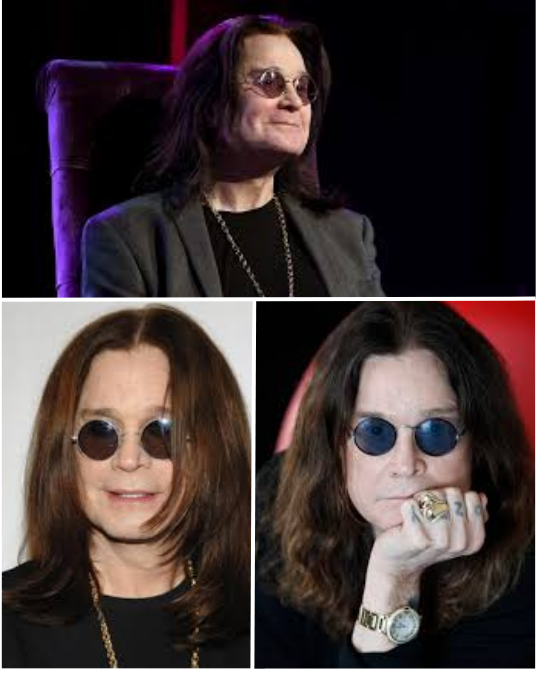
Ozzy Osbourne wasn’t born to be a rock star — and that’s exactly why he became one.
Born John Michael Osbourne in Birmingham, England in 1948, Ozzy came from working-class roots and dropped out of school as a teenager, jumping from job to job before music became his escape and his destiny. From those humble beginnings, he went on to help create one of the most influential forms of music in history — heavy metal.
The Birth of Heavy Metal
In 1968, Ozzy co-founded Black Sabbath with guitarist Tony Iommi, bassist Geezer Butler, and drummer Bill Ward in Birmingham. The band’s dark, ominous sound — fueled by heavy riffs and eerie vocals — was unlike anything music fans had heard before. Albums like Black Sabbath and Paranoid didn’t just top charts in the UK, they laid the foundation for heavy metal as a genre.
Ozzy’s growling vocals and persona earned him the nickname “Prince of Darkness,” and Sabbath went on to sell millions of records worldwide. Their influence rippled through decades of rock and metal that followed, inspiring countless musicians in genres far beyond their own.
A Solo Career Born from Chaos
By the late 1970s, Ozzy’s struggles with substance abuse led to his departure from Black Sabbath. But rather than fading away, he launched a solo career that would make him a legend in his own right. His 1980 album Blizzard of Ozz — featuring classics like “Crazy Train” — became a massive success and helped define his solo identity.
Ozzy’s solo journey wasn’t just about heavy metal anthems; it was about reinvention. He maintained his edge while exploring new sounds, and his work stayed relevant even as musical tastes shifted over the years.
The Bat Incident and Rock History
Some of the wildest stories about Ozzy became part of rock folklore — like the time he bit the head off a bat onstage, an infamous moment that still gets talked about decades later. While it began as a misunderstanding (he thought the bat was a rubber toy), it quickly became one of the most notorious rock moments ever.
His life offstage was almost as dramatic as his performances. From brushes with the law in his youth to headline-grabbing antics on tour, Ozzy’s larger-than-life personality defined not only his music, but his public image.
A Family Face on Reality TV
In the early 2000s, Ozzy reached an entirely new audience through The Osbournes, an MTV reality show starring him, his wife Sharon, and their children. The show peeled back the curtain on his family life — chaotic, humorous, loving, and deeply human — and introduced him to a generation who may never have seen him on stage.
This chapter of his life showed a side of Ozzy that many didn’t expect: a devoted father, a quirky husband, and a man who could laugh at himself even while making the world laugh with him.
Final Acts and Lasting Legacy
Even as health challenges mounted, Ozzy refused to let music go. Diagnosed with Parkinson’s disease in 2003 and dealing with complications from accidents, he continued to perform and record. In 2025, he and Black Sabbath reunited for one final concert in Birmingham — the city where the band first formed and where heavy metal was born.
His final performance was celebrated by fans from around the world — a poignant reminder of the enduring connection between Ozzy and the music that defined him.
A Legacy That Transcends Music
Ozzy Osbourne’s life was a blend of darkness and brilliance, rebellion and resilience. Though he passed away in 2025 at age 76, his influence lives on — in every guitar riff that echoes Sabbath’s thunder, in the artists who cite him as inspiration, and even in unexpected tributes like a 67-million-year-old Triceratops skull named “Ozzy.”
He wasn’t just a musician — he was a cultural force whose story defied every expectation.
Ozzy taught the world that music could be loud, emotional, chaotic, and beautiful all at once… much like life itself.