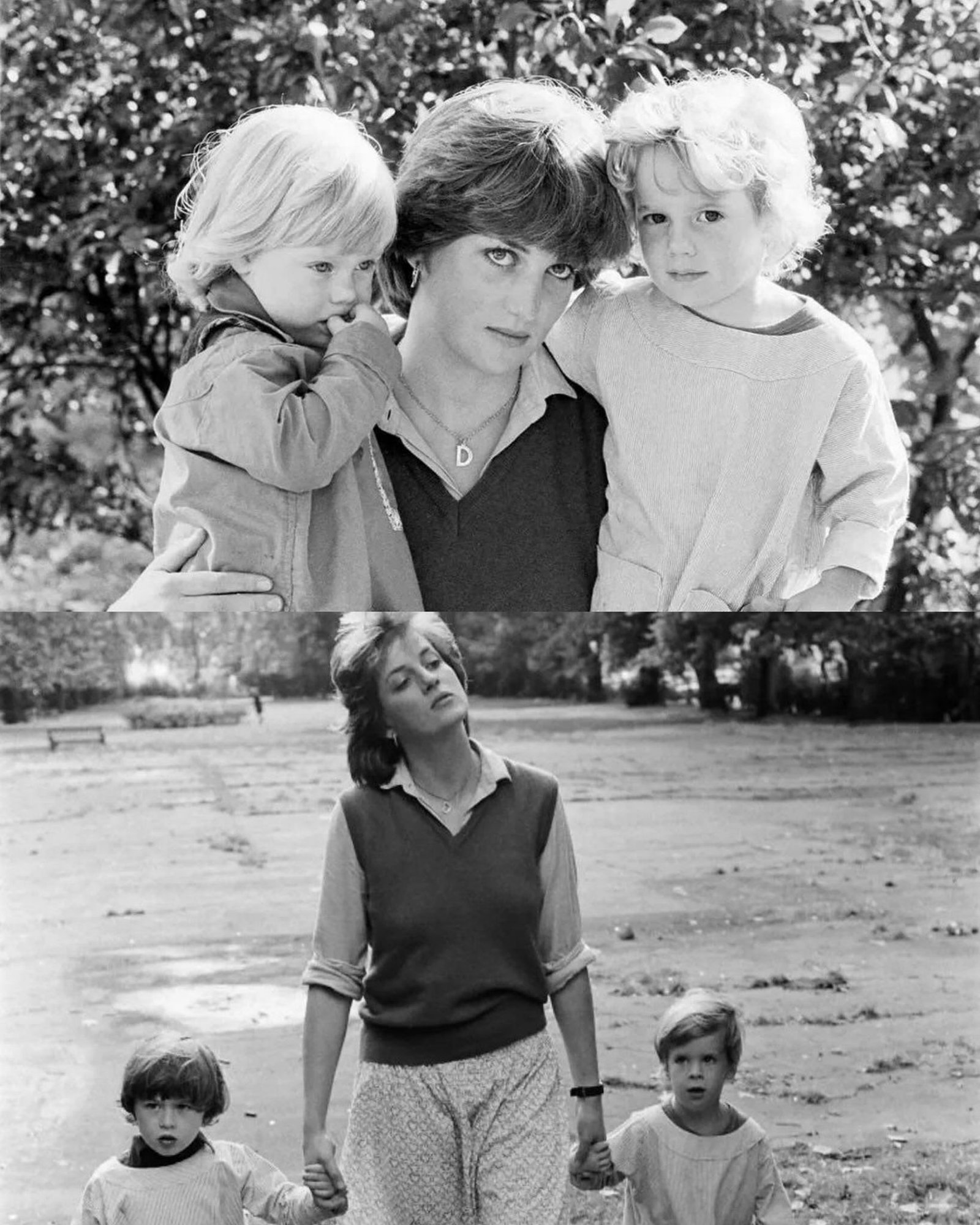
The narrative of Diana, Princess of Wales, often begins with her spectacular 1981 wedding to Prince Charles, a moment instantly mythologized as the ultimate fairy tale. Yet, to fully appreciate the global icon she became, one must look beyond the opulent gowns and diamond tiaras to the quiet, grounding years that preceded her royal ascent. Before she stepped onto the world stage as a member of the House of Windsor, Lady Diana Spencer was simply a working woman in London, earning her living not through privilege, but through humble, dedicated service as a nursery assistant. It was during this pivotal period that the fundamental compassion, empathy, and remarkable human connection that would define her legacy were forged and tested.
Lady Diana Spencer was born into the heart of British aristocracy in 1961. As the daughter of Earl Spencer, she possessed a lineage steeped in history and a childhood marked by both comfort and emotional complexity. Her parents’ acrimonious divorce when she was young left an indelible mark, often cited by biographers as the root of her profound empathy and her lifelong desire to nurture and protect the vulnerable. This early experience, witnessing familial instability, seemed to instill in her a deep appreciation for genuine connection over superficial status. Her schooling followed the typical aristocratic path, attending West Heath boarding school in Kent, where she excelled in sports, though her academic performance was modest. After a brief and somewhat unsuccessful stint at a finishing school in Switzerland, she returned to London in the late 1970s, ready to define herself outside the confines of the Spencer estate.
Moving to the city, she shared a flat with friends in the Earl’s Court area, navigating the daily routines and challenges common to young adults in London—a distinctly normal existence that sharply contrasted with the destiny awaiting her. Unlike many of her peers who might have relied solely on inherited wealth or social connections, Diana was determined to earn her own keep. She initially took on various part-time jobs, reflecting her earnest desire to engage in meaningful work. These early roles included housecleaning, babysitting for American families in the city, and working as a hostess for parties. These jobs were not mere placeholders; they were a deliberate choice to seek out roles rooted in care and practical service, a testament to her inherent kindness.
The most significant and often cited role of her pre-royal life was her position at the Young England Nursery School in Pimlico, London. Here, she held the title of a nursery assistant, dedicated to looking after some of the youngest children, typically toddlers. The daily routine involved the simple, yet profound, tasks of childhood care: organizing activities, reading stories, ensuring naptime, and providing the constant emotional reassurance small children need. Accounts from the time universally describe the pure, unadulterated bond she shared with the children. They were said to have adored her, drawn to her gentle nature and genuine warmth. Crucially, this affection was mutual; Diana was said to have adored them, finding genuine fulfillment in the honest, uncomplicated joy of their company.
The financial reality of her life at the nursery school often provides the most startling contrast to her eventual royal status. As detailed in the historical record, her formal employment at the nursery brought in a surprisingly meagre income, famously cited as approximately £5 per week for her work. While this amount reflected the typical low wages for entry-level childcare roles at the time, for a member of the nobility, it underscored her unique humility. To supplement this modest income, Diana continued to engage in additional, unglamorous tasks, such as cleaning her sister’s flat. This personal resourcefulness—working a primary job, then earning extra cash cleaning—humanized her profoundly. It placed her firmly in the category of a young, striving individual rather than a privileged aristocrat awaiting her fate.
This period of working life served as a critical foundation for the humanitarian powerhouse Diana would become. Her professional choices were not random; they were a clear expression of a deeply empathetic personality. By immersing herself in the world of early childhood care, she demonstrated a profound instinct for nurturing and connecting with those who could not advocate for themselves. This connection to the vulnerable was not performative; it was woven into the fabric of her character long before charity work became part of her royal duties. The kindness and beautiful soul attributed to her in her youth were qualities demonstrated through action—not by signing cheques, but by getting down on the floor to comfort a crying toddler. This hands-on experience offered her an invaluable perspective that few other royals possessed: a genuine understanding of normal life and the everyday struggles of ordinary people.
The quiet normalcy of Diana’s life began to unravel as her close association with the Prince of Wales became a subject of intense media scrutiny. Prince Charles had previously dated her elder sister, Lady Sarah McCorquodale, but it was Diana who captured his attention in the late 1970s. As the media frenzy surrounding their nascent courtship intensified, the unassuming nursery assistant found herself constantly followed by the world’s press. Photos of her, often featuring her characteristic modest clothing and shy demeanour, were splashed across front pages globally. The fairy tale was already being written, even as she continued to commute to her job at the nursery.
Her life as a working woman came to a formal close in 1981, following the official announcement of her engagement to Prince Charles. The transition from Lady Diana Spencer, the dedicated nursery assistant living in a shared flat, to the future Princess of Wales was immediate and dramatic. Yet, the lessons learned during her grounding years never faded.
In conclusion, the years Diana spent working, particularly at the Young England Nursery School, were far more than a footnote in her biography; they were the essential prologue. They instilled in her a unique form of humility and a visceral connection to the public that she carried into her royal life. Her commitment to earning a living, her deep-seated desire to care for children, and her ability to connect genuinely with people, regardless of their status, established the core values that would later define her global humanitarian work. The “kind and beautiful soul” admired by the children she looked after became the “People’s Princess,” a figure whose profound impact on charity and global perception was rooted not in her royal titles, but in the empathy she cultivated during her humble, working years. This pre-royal period ensured that when she finally stepped into the spotlight, Diana’s focus was, and always remained, on those who needed her most.