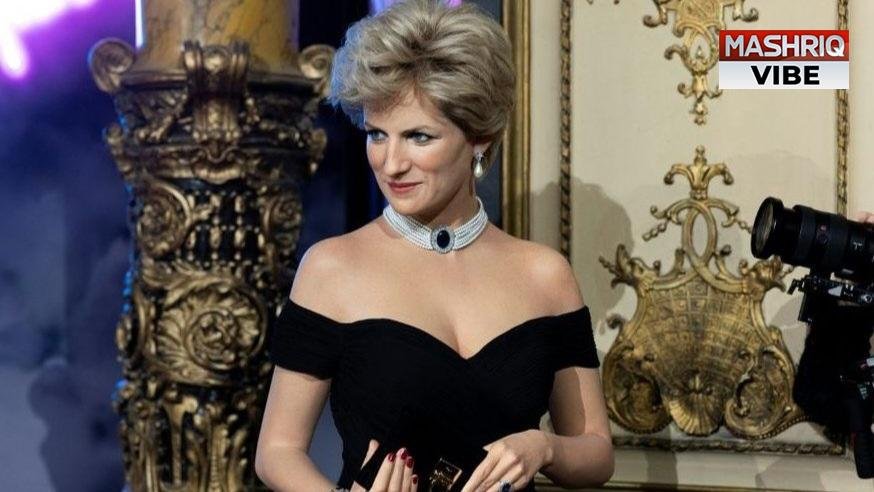
PARIS, FRANCE — Few figures in modern history are as intrinsically linked to a single city through both triumph and tragedy as Diana, Princess of Wales, is to Paris. The city of light was the final backdrop for her life, a painful memory crystallized in the public consciousness since the devastating accident in the Alma Tunnel in 1997. Decades later, Paris is once again marking Diana’s presence, not with somber remembrance, but with a vibrant, defiant tribute that has sparked both admiration and heated controversy across Europe.
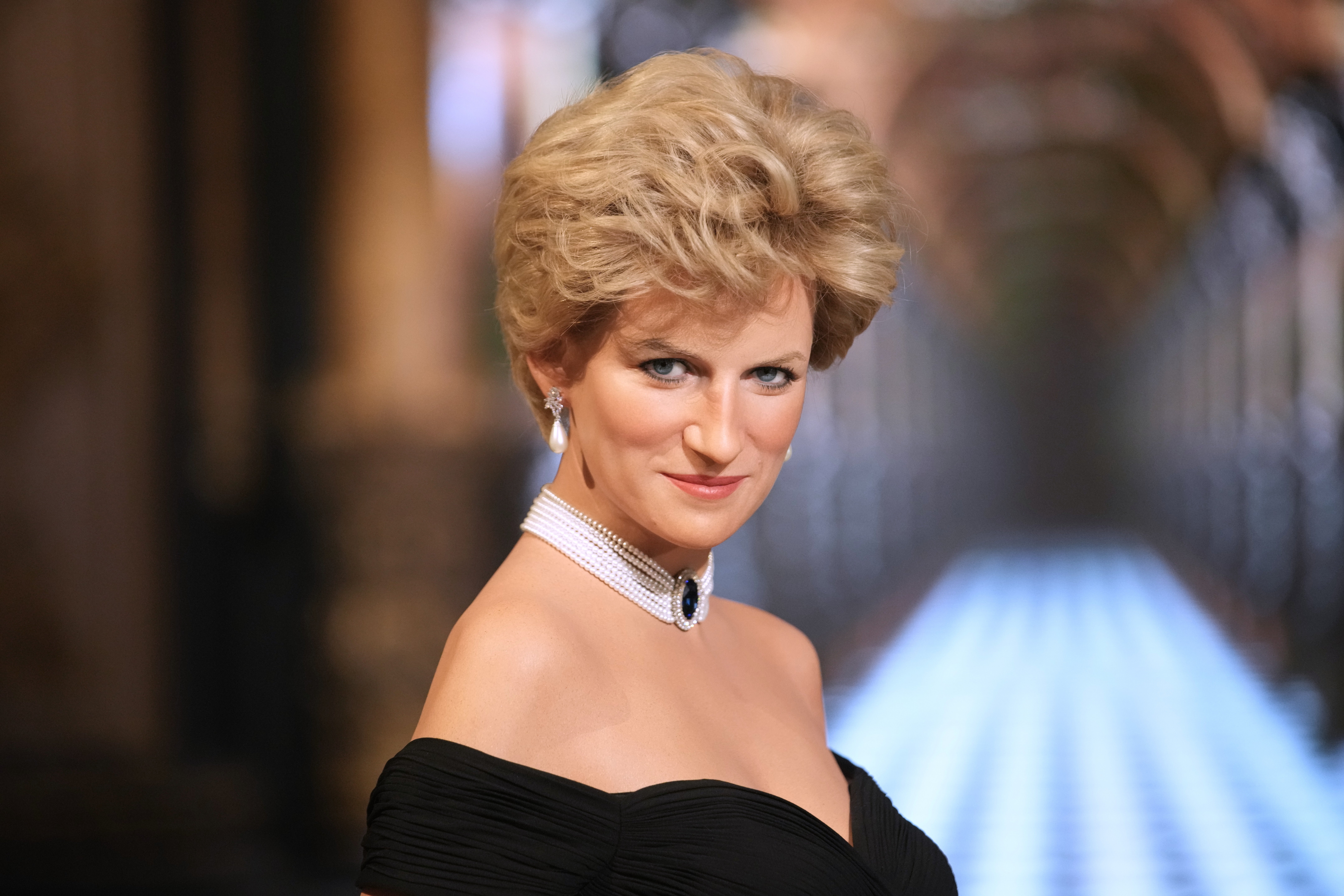
The famed Musée Grévin, Paris’s equivalent of Madame Tussauds, has unveiled a new wax figure of the Princess, dressed in her iconic 1994 velvet black cocktail dress—universally known as the “Revenge Dress.” This choice of attire, worn on the night Prince Charles (now King Charles III) publicly admitted his affair with Camilla Parker Bowles, represents Diana’s decisive transition from victim to independent power broker. Standing alongside historical figures like Marie-Antoinette, the tribute is an audacious statement, prompting a complex discussion about memory, celebrity, and the politics of grief in the city where her life ended.
I. The Power of the “Revenge Dress”
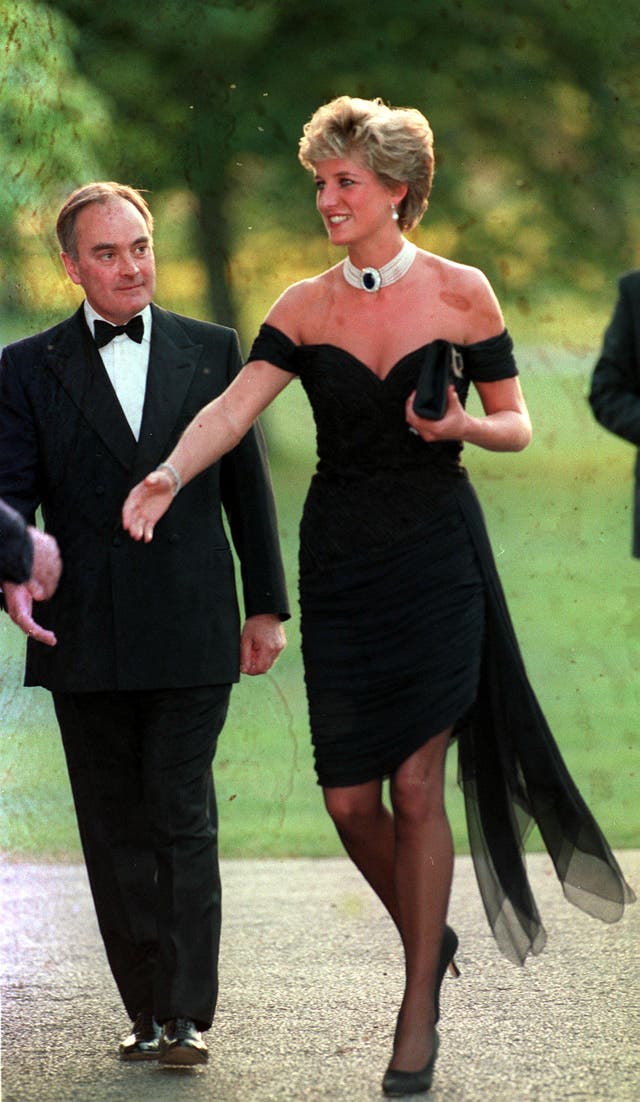
The moment Diana stepped out of her car in the Christina Stambolian dress for the Serpentine Gallery dinner in June 1994 remains one of the most significant fashion statements of the 20th century. It was short, black, off-the-shoulder, and utterly unconventional for a member of the Royal Family. It was the antithesis of the demure, conservative style expected of her.
The context is everything: Diana wore the dress the very evening that Prince Charles’s television documentary aired, where he confirmed his infidelity. The media, poised to focus on the Prince’s confession, were instantly redirected by Diana’s visual counter-punch. The dress was a declaration of freedom, resilience, and unapologetic sex appeal. It was Diana reclaiming her narrative.
By selecting this specific, loaded moment for the wax figure, the Grévin Museum has consciously bypassed Diana the charity campaigner, Diana the mother, and Diana the demure royal bride. Instead, they immortalize Diana the warrior, Diana the defiant cultural icon.
II. The Controversial Setting: Memory and Location
The decision to place this fiercely independent figure in Paris—the city synonymous with her tragic and sudden death—is the core source of the controversy.
- The Weight of the Seine: Even today, tourists and admirers continue to leave flowers and messages at the Flame of Liberty monument near the Alma Tunnel, a poignant, informal memorial along the Seine. The city’s streets still bear the weight of that summer night in 1997. Critics argue that to install a figure focused on defiance and glamour risks trivializing the somber, unresolved memory of her death in the very city that harbors her last hours.
- The Marie-Antoinette Parallel: The placement of Diana’s figure near Marie-Antoinette, the infamous French queen who met a tragic end through public persecution, adds an unsettling layer of historical resonance. Both women were international figures, subjected to intense public and political scrutiny, and ultimately met dramatic, untimely demises—albeit under vastly different circumstances. While perhaps intended to evoke a sense of two powerful women caught in the whirlwind of history, some find the parallel macabre or in poor taste.
A Grévin Museum spokesperson defended the choice, stating the tribute reflects Diana’s “lasting impact on audiences around the world,” focusing on her legacy as a powerful woman, rather than being constrained by the tragedy.
III. Paris’s Complex Relationship with Diana
Paris’s relationship with Diana has always been complex, woven from admiration, fascination, and guilt.
During her lifetime, France adored her style and elegance, seeing in her a reflection of French chic. Her last known public moments in Paris—dining at the Ritz and being pursued by paparazzi—cemented an inextricable link between her life story and the city’s identity.
The wax figure, therefore, serves a dual purpose: it is a commercial attraction for the thousands of international visitors who still feel deeply connected to her memory, and it is a subtle Parisian reclaiming of her narrative—a choice to celebrate her strength rather than just mourn her loss. It suggests that Paris wishes to remember Diana not as the one who died there, but as the one who lived and defied.
IV. Wax Figures as Cultural Barometers
Wax museums operate as peculiar barometers of cultural reverence. The process of turning a celebrity into an inanimate, yet life-sized, likeness often strips away complexity and focuses on the most recognizable, defining image.
In Diana’s case, the “Revenge Dress” is arguably the single most iconic image that encapsulates her transition from being defined by the Palace to defining herself. This visual narrative—the powerful short dress, the determined expression—is what the public remembers most vividly about her path to independence after the separation from Prince Charles.
By choosing this specific version of Diana, the Grévin Museum is implicitly commenting on her status as a global feminist symbol—a woman who found her power and voice in the face of institutional pressure. The figure becomes a physical representation of modern celebrity and royal independence.