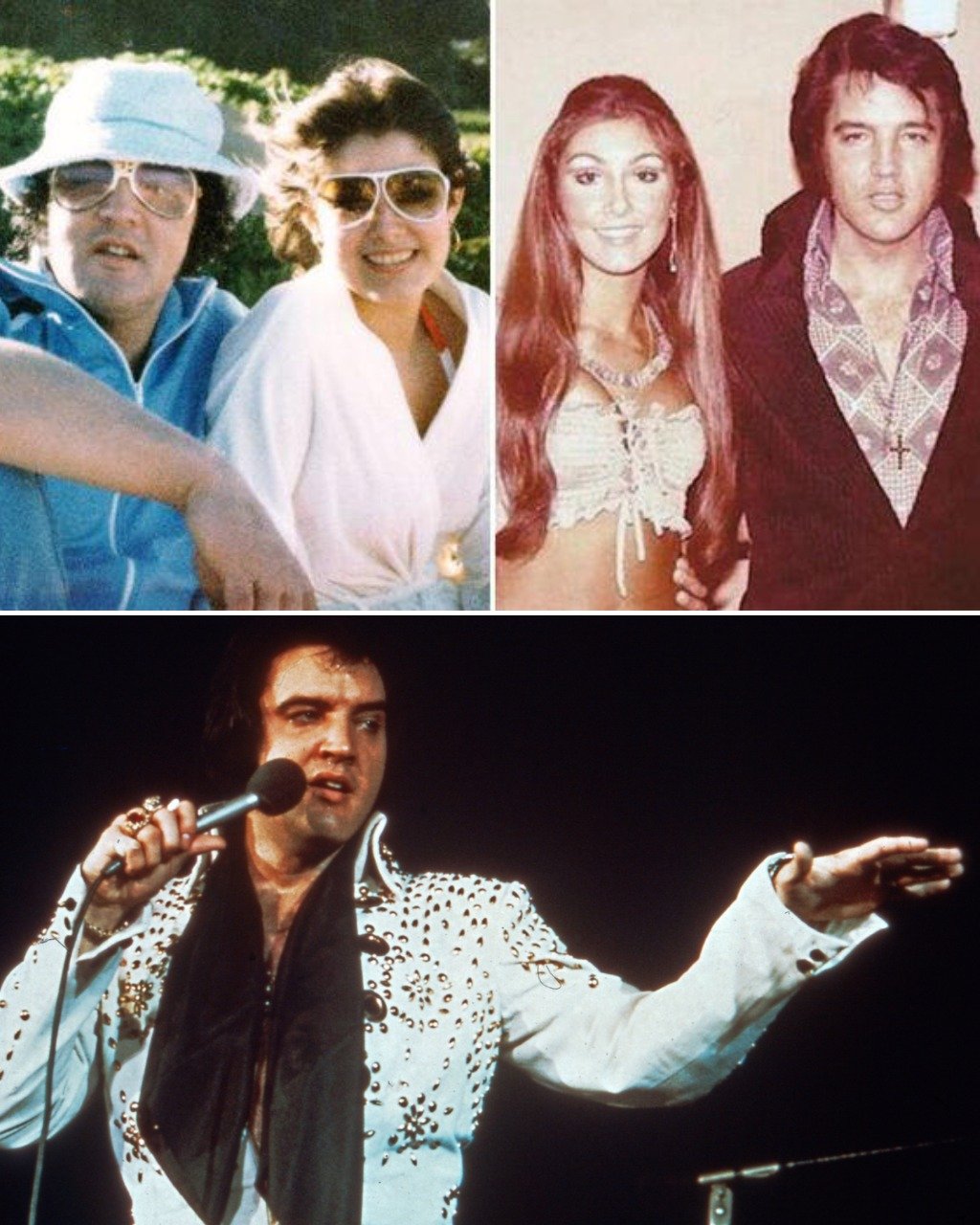
Elvis the Movie: The Major Girlfriends and Key Life Details Left Out of Baz Luhrmann’s Biopic
When Elvis stormed theaters, audiences were swept up in a glittering whirlwind of sound, spectacle, and star power. Directed by Baz Luhrmann and anchored by a career-defining performance from Austin Butler, the film didn’t just revisit the life of Elvis Presley — it reintroduced him to a new generation.
But as the applause faded, a quieter conversation began.
Fans, historians, and longtime Elvis devotees started asking the same question:
What — and who — was missing?
Because behind the rhinestones and roaring crowds, Elvis left out some of the most complicated relationships and revealing chapters of the King’s life.
The Girlfriends Who Barely Made the Cut — or Didn’t Appear at All
Priscilla Presley: Present, but Carefully Framed
Priscilla Presley plays a visible role in the film — but critics argue her portrayal is deliberately restrained.
The movie shows their meeting and marriage, yet avoids fully confronting the deeply controversial aspects of their relationship: the age gap, the power imbalance, and the emotional strain that defined their life together. Priscilla is present, but her inner world remains largely unexplored.
For viewers unfamiliar with the real history, the complexity of their bond is softened — almost sanitized.
Ann-Margret: Reduced to a Footnote
Perhaps the most striking omission is Ann-Margret, Elvis’s co-star in Viva Las Vegas and widely believed to be the great love of his adult life.
Their chemistry was electric. Their relationship intense. And their connection — by many accounts — emotionally devastating for Elvis when it ended.
In Luhrmann’s film, however, Ann-Margret is barely acknowledged.
No exploration of the passion.
No acknowledgment of the heartbreak.
No sense of how deeply she affected him.
For many fans, this omission felt less like an oversight and more like a deliberate choice.
The Life Details the Film Glides Past
Addiction — Stylized, Not Confronted
While the film acknowledges Elvis’s dependence on prescription medication, it does so through montage and implication rather than confrontation. The physical toll, the desperation, and the irreversible damage are suggested — but never fully faced.
The King’s decline becomes visual poetry, not brutal reality.
Isolation Behind the Fame
The movie shows crowds, chaos, and confinement — but stops short of examining how deeply isolated Elvis became. Friends, lovers, and confidants drifted away, yet the emotional consequences are rarely unpacked.
What was it really like to be Elvis when the lights went out?
The film doesn’t linger there.
Why These Omissions Matter
Biopics don’t just tell stories — they shape memory.
By leaving out certain women and smoothing over darker truths, Elvis presents a version of the King that’s easier to celebrate than to question. For new audiences, that version may become the version.
For longtime fans, it raises uncomfortable questions about what was left behind — and why.