The streets outside overflowed with grief as thousands gathered to say farewell to Ozzy Osbourne.
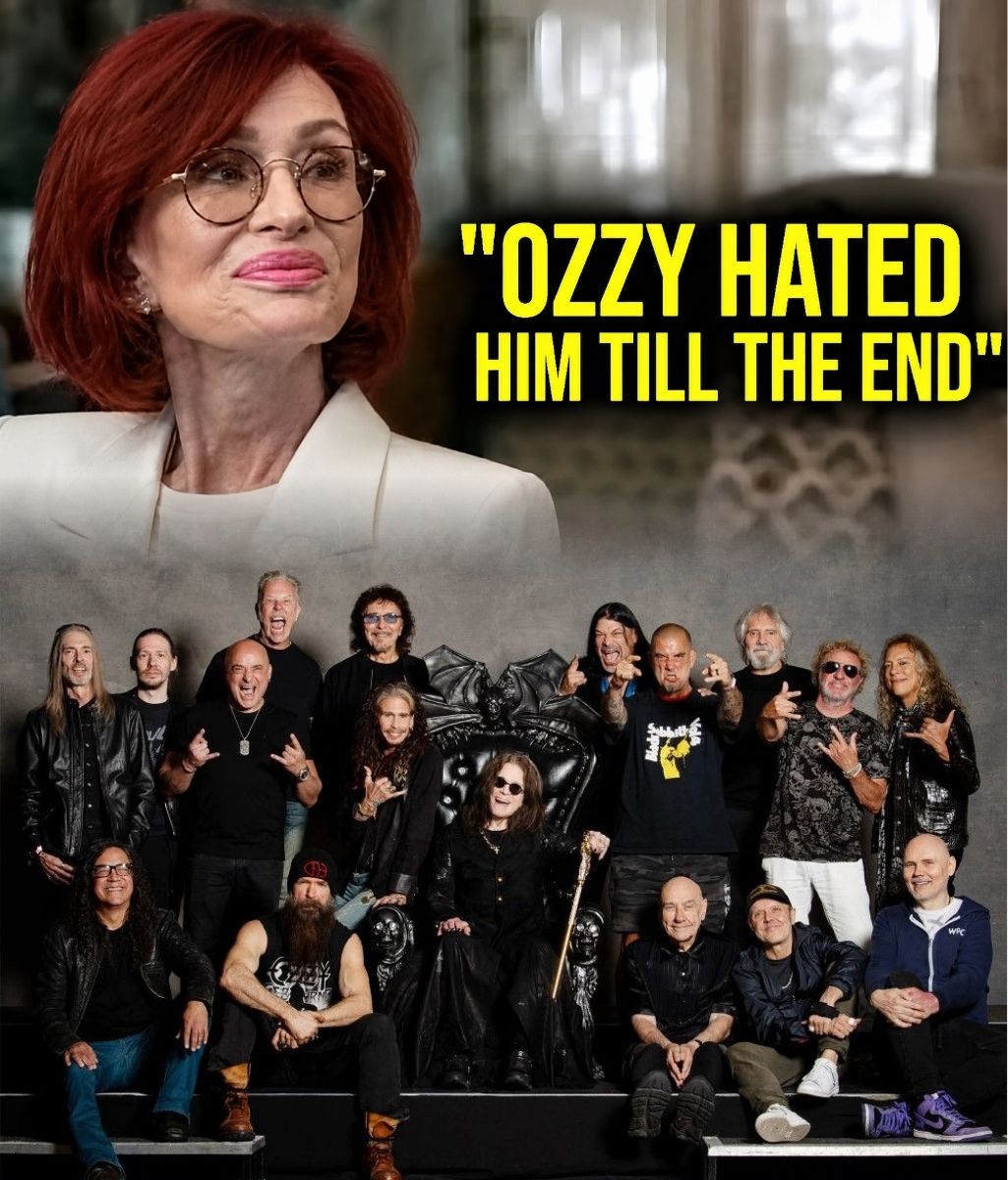
Fans lined the sidewalks in silence, many holding flowers, vinyl records, and fading photographs that carried memories stretching back decades. Inside the private ceremony, some of rock music’s most recognizable figures stood shoulder to shoulder—old friends, longtime collaborators, and artists who had helped define an era that changed music forever. It was a moment filled with reflection, respect, and visible heartbreak.
Yet beneath the music, tributes, and mourning, one absence quietly drew attention almost immediately.
One chair remained empty.
And for many longtime fans, the missing name felt impossible to ignore: Bob Daisley.
💬 “Some wounds don’t disappear… even at the end.”
For decades, Daisley played a critical role in shaping the foundation of Ozzy’s solo career. His songwriting and musical contributions helped create some of the most enduring songs in rock history, including Crazy Train and Mr. Crowley. Those records became more than successful releases; they became defining anthems for generations of listeners. To many fans, Daisley’s influence was inseparable from the sound that transformed Ozzy from former Black Sabbath frontman into a solo icon.
But behind the success lived years of conflict that never fully disappeared.
Legal disputes over songwriting credits and royalties created a fracture between Daisley and the Osbourne camp that stretched across decades. Public statements, lawsuits, and lingering resentment gradually turned one of rock’s most important creative partnerships into one of its most painful divisions. While time softened some public conversations surrounding the conflict, it never truly delivered reconciliation.
That history gave Daisley’s absence from the farewell ceremony a weight far beyond simple scheduling or distance. For many observers, it symbolized something deeper—the reality that even within legendary careers filled with unforgettable music, some personal wounds remain unresolved until the very end.
As tributes echoed through the ceremony, fans online quickly began discussing the silence surrounding his absence. Some expressed sadness. Others reflected on how complicated artistic legacies often become behind closed doors. The reaction was not fueled by controversy alone, but by recognition. People understood that the greatest musical eras are rarely built without sacrifice, tension, and deeply human imperfections.
In the end, the missing chair became more than an empty space.
It became a reminder that legacies are rarely simple. The music may endure forever, but the relationships behind it can remain fragile, unfinished, and painfully unresolved. And perhaps that is what made the silence surrounding Bob Daisley feel so powerful during Ozzy’s final goodbye.
Because even legends sometimes leave this world with echoes still unanswered.